Is Louis Rossmann Right About Privacy.com?
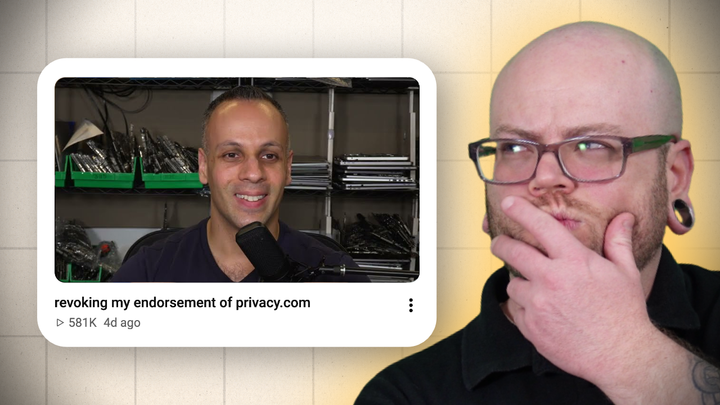
Recently, digital rights activist and YouTuber Louis Rossmann revoked his endorsement of privacy.com. But we think this might be a problem bigger than one provider.
Your email address is exposed! In this video we break down the best tools for protecting your email address and rank them from S-tier to F-tier. How did your favorite email aliasing tool stack up?
This is our home for the latest video content from the Privacy Guides team. Be sure you are subscribed to find out about our latest uploads, and share these videos with your family and friends if you find them helpful!
Recently, digital rights activist and YouTuber Louis Rossmann revoked his endorsement of privacy.com. But we think this might be a problem bigger than one provider.
In 2016, a locked iPhone 5C sparked a massive showdown between Apple and the FBI.
We compared the top instant messengers (and the ones not quite there yet) to find out how they stack up. Let us know where your favorite choice fell, or if we missed anything in the comments!
Melanie Ensign is the founder and CEO of Discernible and former communications lead for Facebook, Uber, AT&T, and DEF CON. She pulls back the curtain on how these large corporations operate, revealing why most internal privacy teams operate like "tax attorneys" rather than privacy advocates.
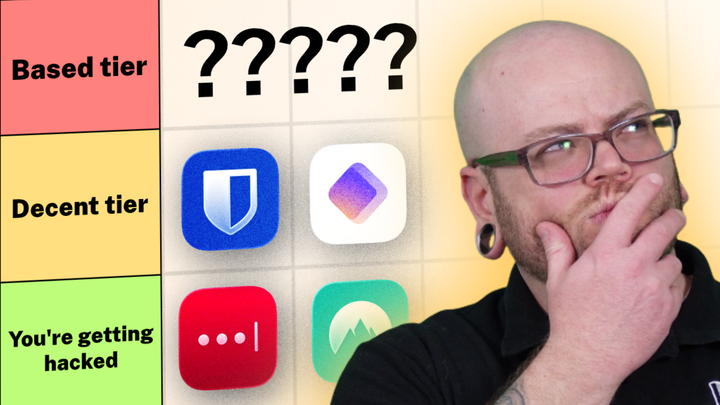
We compared the top password managers (and the ones not quite there yet) to find out how they stack up.
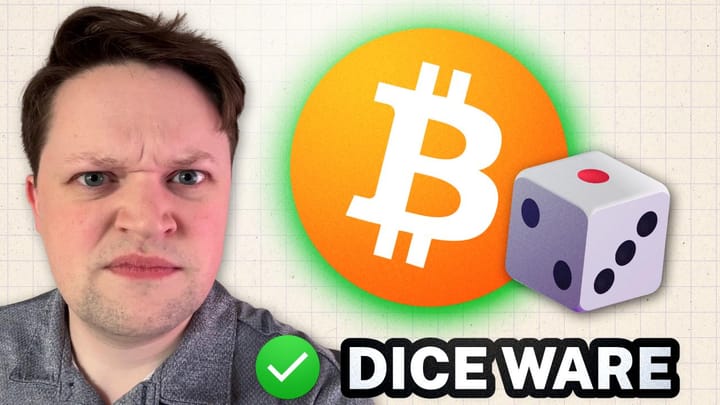
We're going to generate a cryptocurrency seed phrase in the real world with only a 6-sided die, to guarantee our randomness isn't subject to an unknown software flaw.
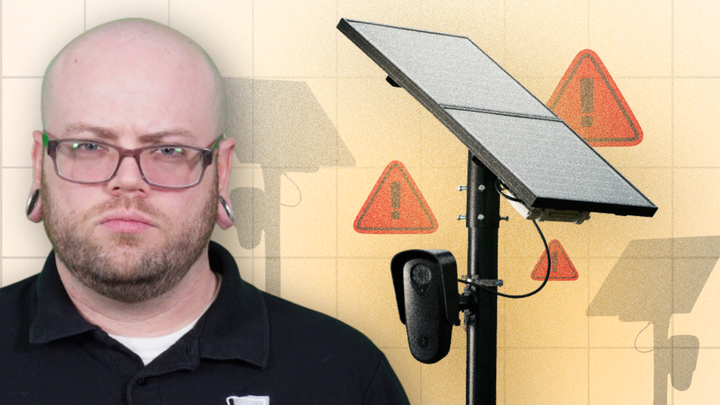
If you drive in America today, you've almost certainly been scanned by a Flock camera, maybe even hundreds of times. Your location, along with a timestamp and photo, all stored in a cloud database accessible to police departments across the country.
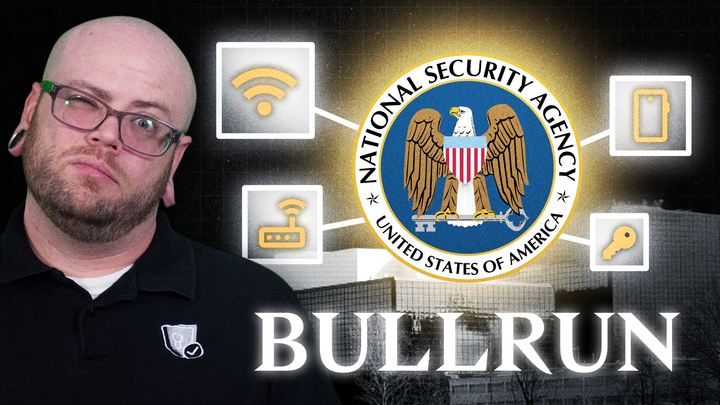
This is the story of Bullrun, the National Security Agency's probably-ongoing effort to have eyes into every single digital service on the planet, and how you can you defend yourself against it.
Plex just announced they are raising the price of their lifetime Plex Pass, in this video we explain how to switch & setup Jellyfin a free and open source alternative.
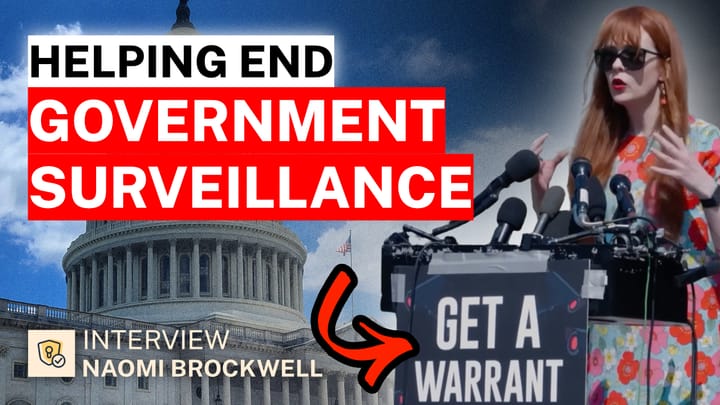
We spoke with Naomi Brockwell about the Surveillance Accountability Act she just helped draft, advocating for privacy on the internet, and the importance of defending our digital liberties.
In this video we explain how you can setup a Signal Proxy to help people access Signal in countries where it is blocked.
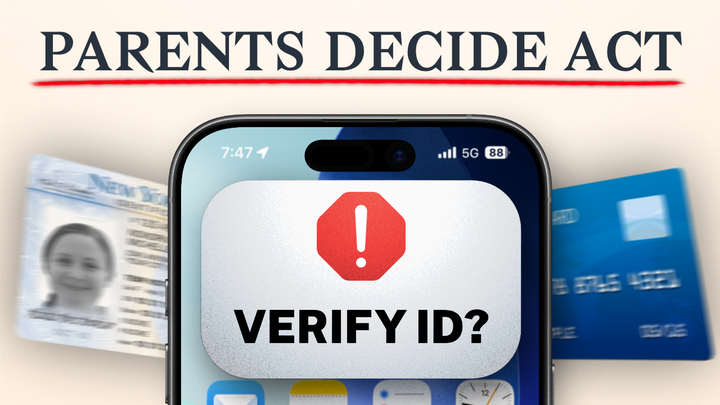
We break down the backstory of age verification laws, decipher what good could actually come out of H.R. 8250, and issue a warning about the potential dangers that this act could create in our future.
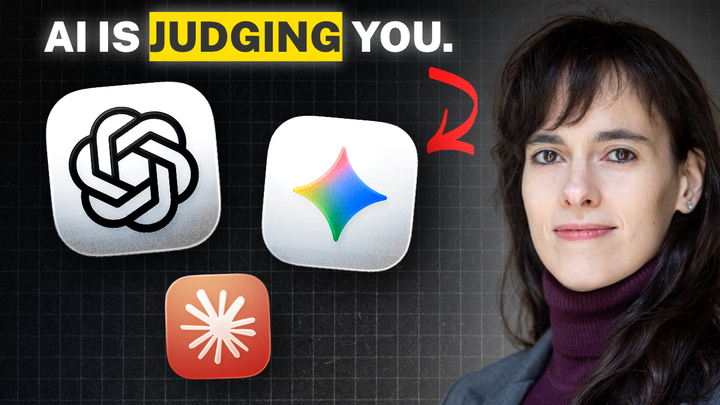
We sat down with Carissa Véliz, author of 'Privacy is Power' and Oxford AI Ethics professor, to talk about how predictive AI will make a 'meritocracy' impossible, how lifelike chat bots are designed to deceive you, and the importance of privacy in the digital age.
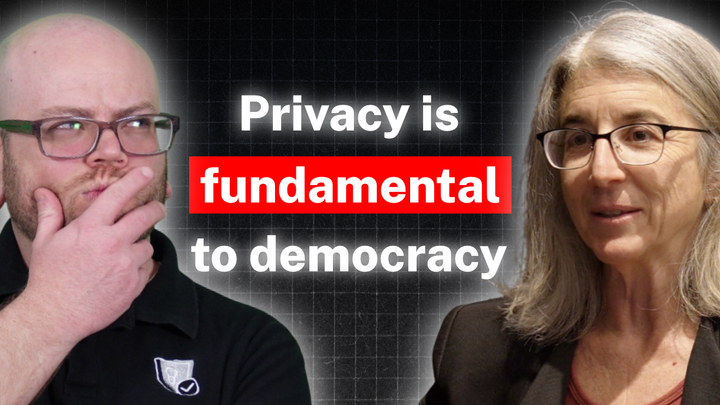
Privacy Guides sat down with EFF Executive Director Cindy Cohn to reflect on her over 30 years of service defending privacy and digital civil liberties at the Electronic Frontier Foundation.
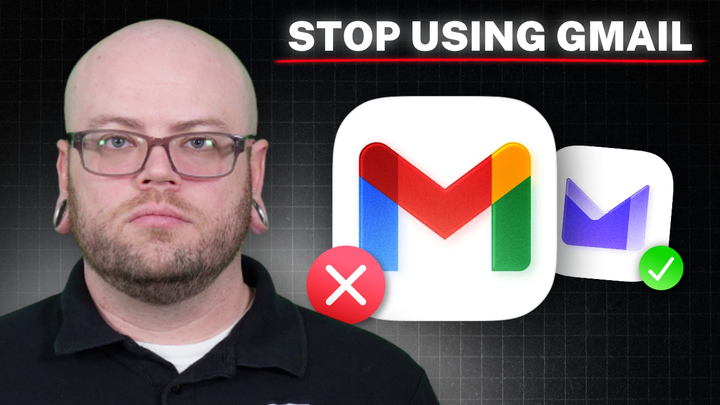
Your email address is the key to your digital life, learning how to secure it properly is instrumental in protecting your privacy & security.
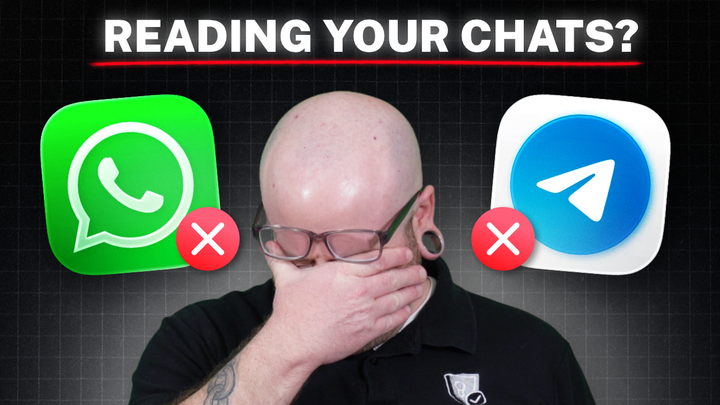
Is your messenger private messenger as private as their marketing claims? We dive into the world of encrypted messengers and explain what your best options are and which ones you should definitely avoid!
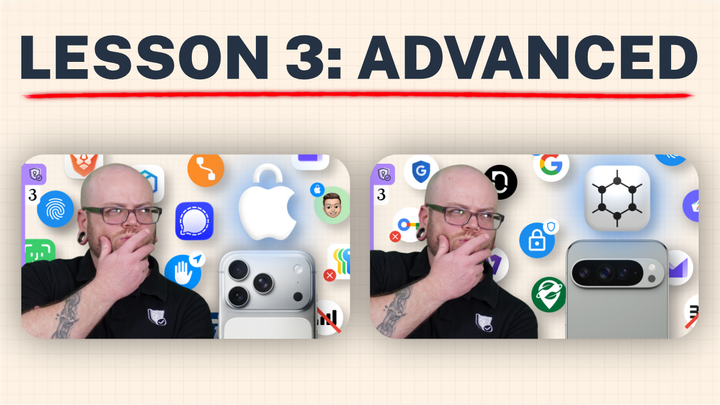
In our advanced lesson, we'll focus on making the changes that can effect the usability of your device but will increase your privacy & security substantially.