Could This Be The End of Privacy Frontends?

Our top stories this week:

  • X sends cease-and-desist to open source project Nitter over alleged scraping
  • Android 17 adds ECH support to make web browsing harder to track
  • Meta agrees to pay $18 billion to settle US lawsuits over children's social media addiction
  • Microsoft tests new privacy controls for Windows 11 desktop apps
  • Introducing Obscura VPN for Windows

TWIP Live 🔴


Updates from the Team

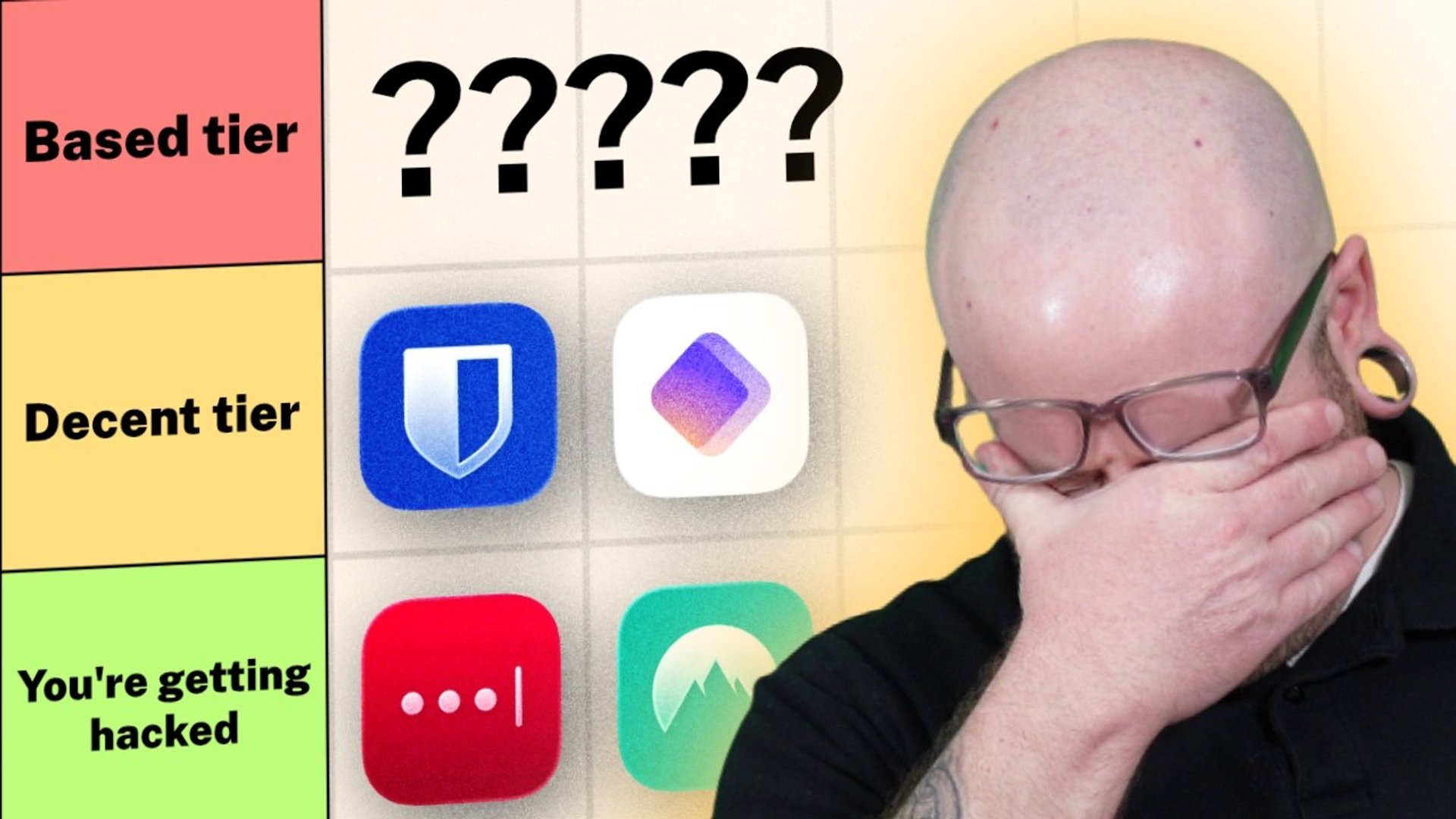
2026 Password Manager Tier List: Does Yours Stack Up?

We compared the top password managers (and the ones not quite there yet) to find out how they stack up. This video has sparked a lot of discussion and debate, so if you haven't watched it yet, definitely check it out and let us know your thoughts!

2026 Password Manager Tier List: Does Yours Stack Up?
We compared the top password managers (and the ones not quite there yet) to find out how they stack up. Let us know where your favorite choice fell, or if we missed anything in the comments! Please…

Site Updates

This week we made a few small changes to the website that will be published on the next release. We noted that SimpleLogin is owned by and integrated with Proton, and we added instructions on how to disable Windows Recall.

update: SimpleLogin section to reflect Proton integration status (#3058) · privacyguides/privacyguides.org@7a0ff96
Signed-off-by: Jonah Aragon <jonah@triplebit.net> Co-authored-by: Jonah Aragon <jonah@triplebit.net> Co-authored-by: Daniel Nathan Gray <dngray@privacyguides.org> Co-authored-by:…
update: Disable Windows Recall in gpedit guide (#2932) · privacyguides/privacyguides.org@2cba767
Signed-off-by: fria <138676274+friadev@users.noreply.github.com> Signed-off-by: Jonah Aragon <jonah@triplebit.net> Co-authored-by: fria <138676274+friadev@users.noreply.github.com>

News Briefs

This week saw some interesting news stories about hiding Windows malware in plain English wordlists, cars with Android infotainment centers getting hacked, and WhatsApp security improvements (among others).
Privacy & Security News
The latest news in data privacy, cybersecurity, and consumer rights brought to you by Privacy Guides.

Sources

X sends cease-and-desist to open source project Nitter over alleged scraping

Nitter is a free, open source front end which can be optionally self-hosted and allows people without X/Twitter accounts to still read tweets. In 2024, X/Twitter updated their API to make third-party access significantly harder, but Nitter was able to adapt and keep working. Now, X/Twitter is attempting to use legal means to stop the project, forcing users to sign up for a Twitter account

X sends cease-and-desist to open source project Nitter over alleged scraping | TechCrunch
X has sent cease-and-desist letters to Nitter, the open source project behind privacy-friendly X front ends, demanding its instances and code repository be taken down over alleged scraping.

Android 17 adds ECH support to make web browsing harder to track

Android 17 will feature system-level support for Encrypted Client Hello (ECH). ECH is sort of like encrypted DNS in that it helps hide the hostname from passive observers like your ISP or router. For apps and websites that doesn't support ECH, Android will send a "fake ECH-looking field" so that traffic doesn't stand out.

Android 17 adds ECH support to make web browsing harder to track
Google is introducing new network security protections in Android 17 to strengthen connection privacy, address cellular vulnerabilities, and protect the privacy of users’ home networks.

Meta agrees to pay $18 billion to settle US lawsuits over children's social media addiction

This week Meta agreed to pay $18 billion over the next decade to 47 states and several US territories over their recent lawsuit that Instagram is knowingly addictive and harmful to minors. They're also implementing a wide range of changes for minor accounts, like restrictions on when they can access it, the option to disable the algorithmic feed and autoplay, and better age verification technology. Other companies and countries are expected to use this as a model.

https://www.reuters.com/business/meta-reaches-18-billion-settlements-over-childrens-social-media-addiction-2026-08-26/

Microsoft tests new privacy controls for Windows 11 desktop apps

In February, Microsoft announced that it would be adding "smartphone-style app permissions" for apps in Windows, giving users more granular control over what permission each app has access to. Right now the current setting is a single, device-wide setting. The new setting should offer much more granular control.

Microsoft tests new privacy controls for Windows 11 desktop apps
Microsoft has begun testing new privacy controls that will let Windows 11 users choose which desktop applications can access their camera, microphone, and precise location.

Introducing Obscura VPN for Windows

Obscura VPN is a new VPN that only operates on a multi-hop, multi-infrastructure architecture. They collaborate with Mullvad (and hope to add others in the future) for a Tor-like system: Obscura - the first hop - sees your VPN and knows your information, but not where your traffic or where you go online. Mullvad - as the second hop - sees your traffic but doesn't know who you are. We find this interesting and innovative and are excited to see them expand. Originally they were only available on Mac, iOS, and Android. Linux is in development.

Introducing Obscura VPN for Windows
Obscura is now available as a native app on Windows 10 and 11

Forum Updates

Apple Won’t Change Hide My Email Domain After Backlash
I guess Apple does care (to some degree) after all. edit: here’s the article from Apple as well: Update: New domain for Sign in with Apple - Latest News - Apple Developer
Starting to lose hope and that there’s no escape
At this point, given the absurd level of surveillance in common every day things, I’m losing hope that it’s even possible to opt out anymore. Everyone has those doorbell cameras. Comcast is the first ISP to announce that their routers will function as motion detection trackers to monitor you and your neighbors. They then intend to share this data with third-parties and the government. Meanwhile, the US government effectively banned most independent consumer routers. Even if I have my own route…