The Invisible Company That Got 200 Websites Hacked
Our top stories this week:
- Hundreds of websites deliver potent malware cocktail to unsuspecting visitors
- UK court rules Apple can share the top secret order everyone already knew
- Google will launch Android app verification requirement globally in January 2027
- Signal is Serious About Protecting Your Privacy
- US bankruptcy judge approves Spirit Airlines data sale to Google/Intuit to sell Mailchimp to Bending Spoons for $3.68 billion
TWIP Live 🔴
Updates from the Team
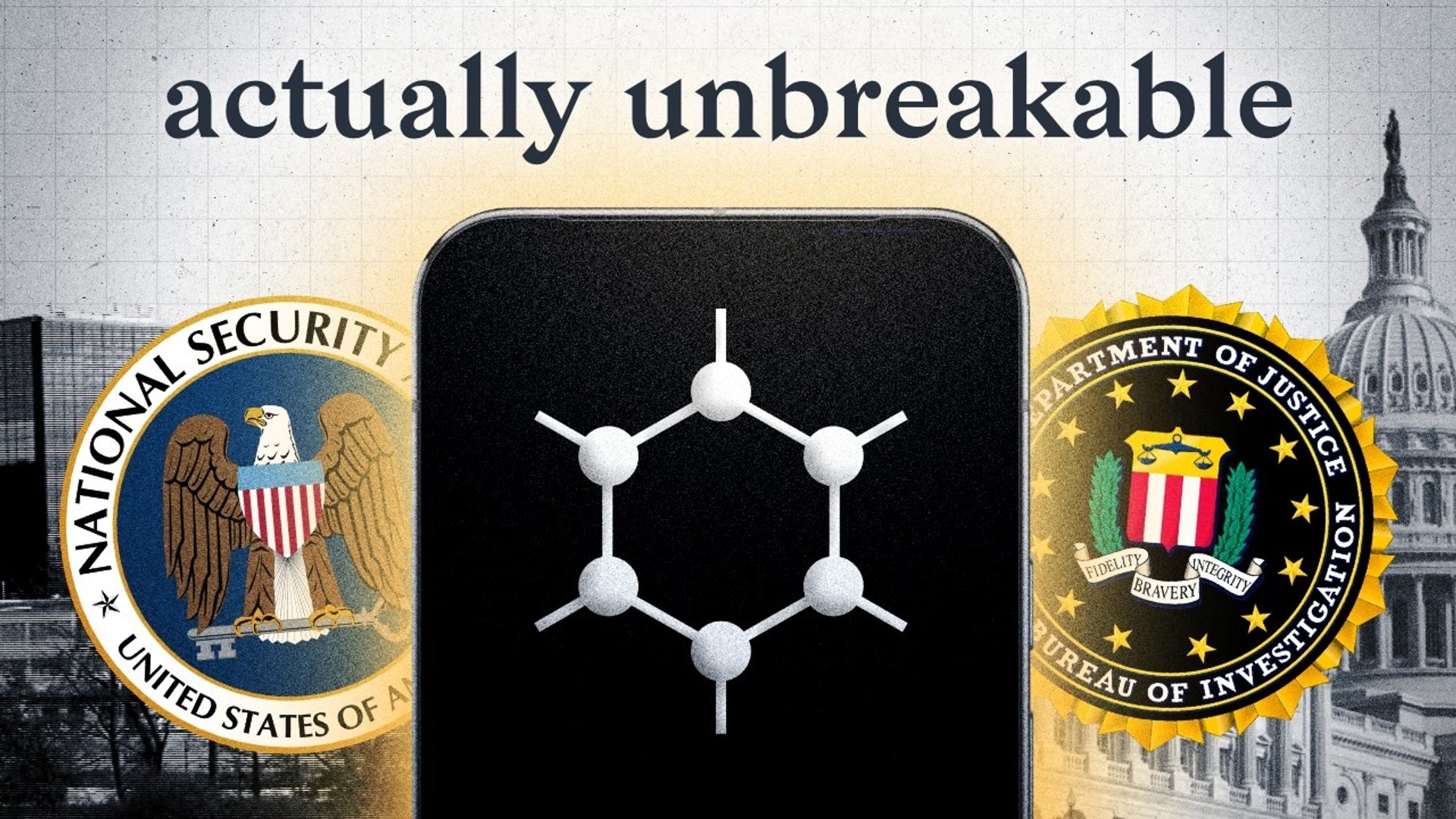
The FBI Can't Crack This Phone
What's the most secure mobile device, one that even the FBI can't crack? The answer is GrapheneOS, in this video we dive deep into what security and privacy features it offers, explain why it's so secure, and also lay out some of the possible drawbacks of using such a secure device.
 Privacy Guides
Site Updates
Only one quick site update this week, an update to Ollama's capabilities.
 blackaly
News Briefs
This week we covered such important stories as Bitwarden adding native passkey support for Windows & macOS, Humble Bundle's redesign removing 2FA, and more!
 Jonah Aragon

Sources
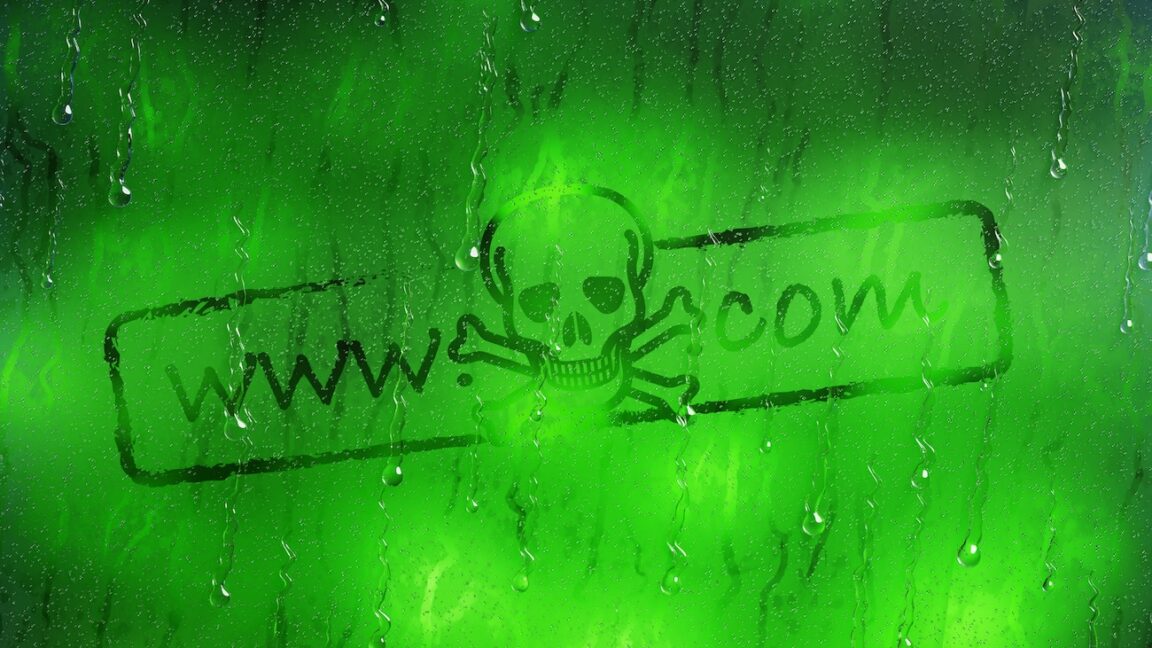
Hundreds of websites deliver potent malware cocktail to unsuspecting visitors
In a shocking story that's still developing, nearly 200 major websites - including brands like CNN, Zoom, BBC, Ikea, Salesforce, and more - were served malicious Javascript via Optimizely. Optimizely is a tool that helps companies A/B test content on websites. It's unclear exactly who was behind the attack or how they managed to compromise Optimizely, but they managed to gain access to officially-signed Optimizely snippets and serve it from officially-recognized domains. In other words: nothing seemed amiss. The malicious code swiped crypto wallet addresses, payment cards, and planted known malware on outdated iPhones & iPads.
 Dan Goodin
UK court rules Apple can share the top secret order everyone already knew
Last year, Apple shocked the world by withdrawing their Advanced Data Protection feature - which end-to-end encrypted most iCloud data - from the UK. The unspoken reason was that the UK had quietly ordered an encryption backdoor, and Apple refused to comply. The first step in fighting this order was to determine if the trial could happen publicly or not. In a major win for transparency, a UK court has ruled that the Home Office "has not established that it would be damaging to national security to reveal that Apple had received a technical capability notice (TCN)." Therefore, the court case will take place in public.
 Ben Lovejoy

Google will launch Android app verification requirement globally in January 2027
In an unfortunate update, Google appears to be pushing ahead with their plan to require all app developers to verify themselves in order for their apps to be sideloadable. Google's stated aim with this is to cut down on spam apps and malware distributed outside official stores - which is a huge problem in some developing parts of the world. However, there are serious concerns about how this can harm privacy, smaller projects, developers in sanctioned countries, and the overall openness of Android. While there is a way to disable this for stock Android users, there are plenty of dark patterns in play to discourage them from doing so.
 Ryan Whitwam

Signal is Serious About Protecting Your Privacy
Last year, Signal outsmarted Windows Recall (Microsoft's built-in AI nobody asked for that takes screenshots periodically) by blocking the ability to take screenshots in the Signal Windows desktop app. Now, they're announcing a similar protection for Android and iOS apps for the same reason: to block the heavily-integrated, hard-to-removed, privileged AI assistants that more and more phones are shipping with by default. They also go on to call on Big Tech companies to provide third-party developers the freedom to resist these tools more easily and better documentation to understand how they work.

US bankruptcy judge approves Spirit Airlines data sale to Google/Intuit to sell Mailchimp to Bending Spoons for $3.68 billion
This week we saw two stories with the same overlapping message: we often forget that in the context of "data sale/sharing" and controlling our data, that can include mergers, acquisitions, and bankruptcies. Spirit Airlines - after going bankrupt suddenly last year - has been approved to sell employee and customer data to Google, who plans to use the data for "product development and AI training." Meanwhile, email list service Mailchimp has been sold from Intuit to Bending Spoons, which means not only users of the service, but people who signed up for the mailing list are now having their data trade hands.
 Jordan Novet

Forum Updates
 Lukas
 uhidk