Muse is Collecting YOUR Data (Even if You Don't Use It)
Our top stories this week:
- Meta's Muse Is Building Dossiers on Your Friends and Family, Even If They Never Signed Up
- AI glasses face their first major government crackdown
- Kagi Ends Orion Browser Development for Linux, Will Open-Source It
- Hackers obtain counterfeit TLS certificates for Google and other large services
TWIP Live 🔴
Updates from the Team
The Ultimate Email Aliasing Tier List
Your email address is exposed! In this video we break down the best tools for protecting your email address and rank them from S-tier to F-tier. How did your favorite email aliasing tool stack up?
 Privacy Guides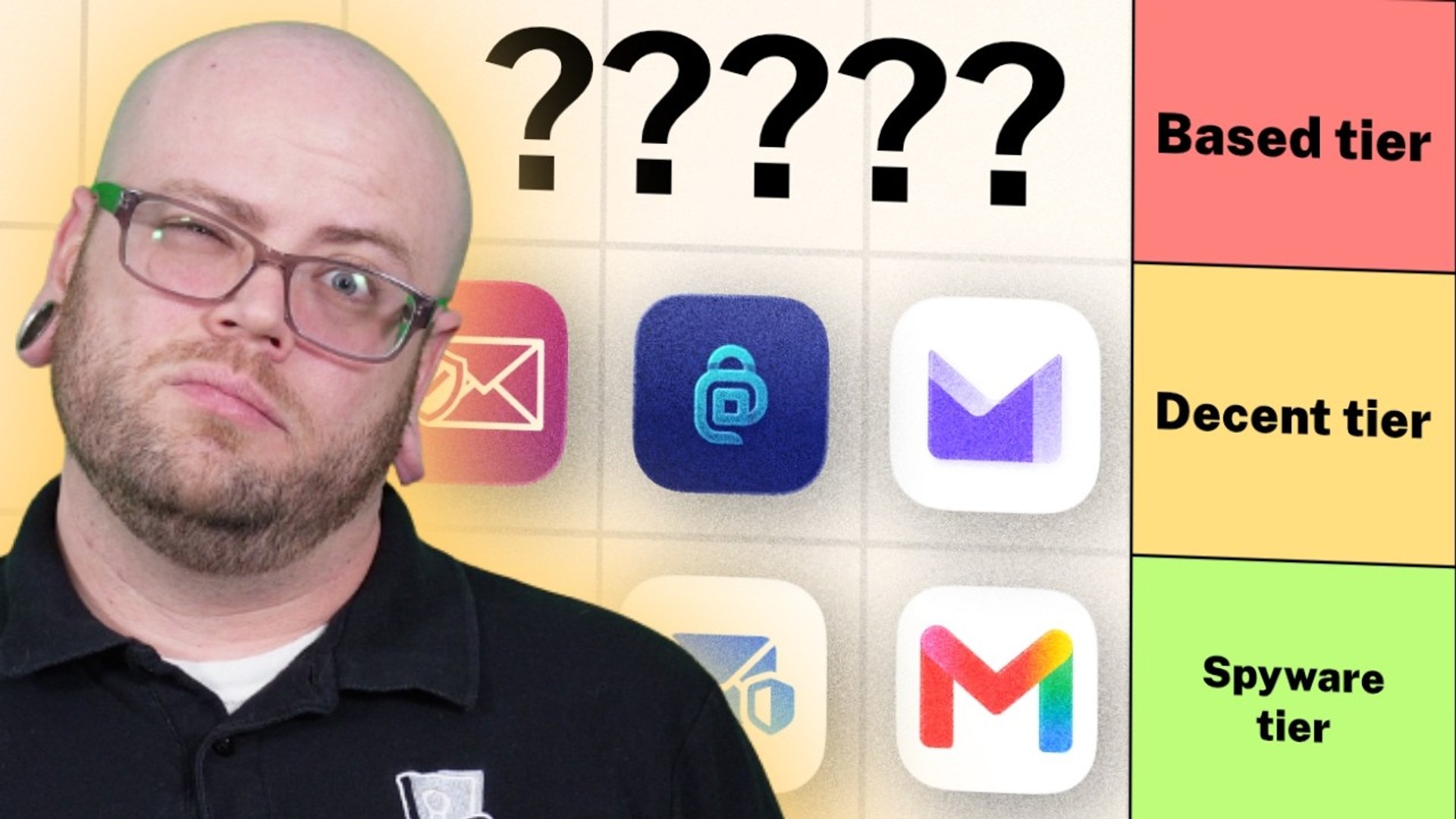
News Briefs
This week's news updates include how Apple is tightening their "full disk access" permission on Mac to address AI agent security concerns and a call from our executive director on ways you can support Privacy Guides with your Donor Advised Fund (as well as an explanation of what that is, if you're unfamiliar).
 Jonah Aragon
Sources
Meta's Muse Is Building Dossiers on Your Friends and Family, Even If They Never Signed Up
Meta's Muse - their viral AI assistant - had it's instructions extracted by a security researcher, who showed that Muse extracts data about and builds profiles on the people you regularly interact with. Meta notes that this is intentional behavior to make the assistant more useful in your day-to-day life, but it raises serious questions about collecting data on people who haven't consented.
 Regyl Jaen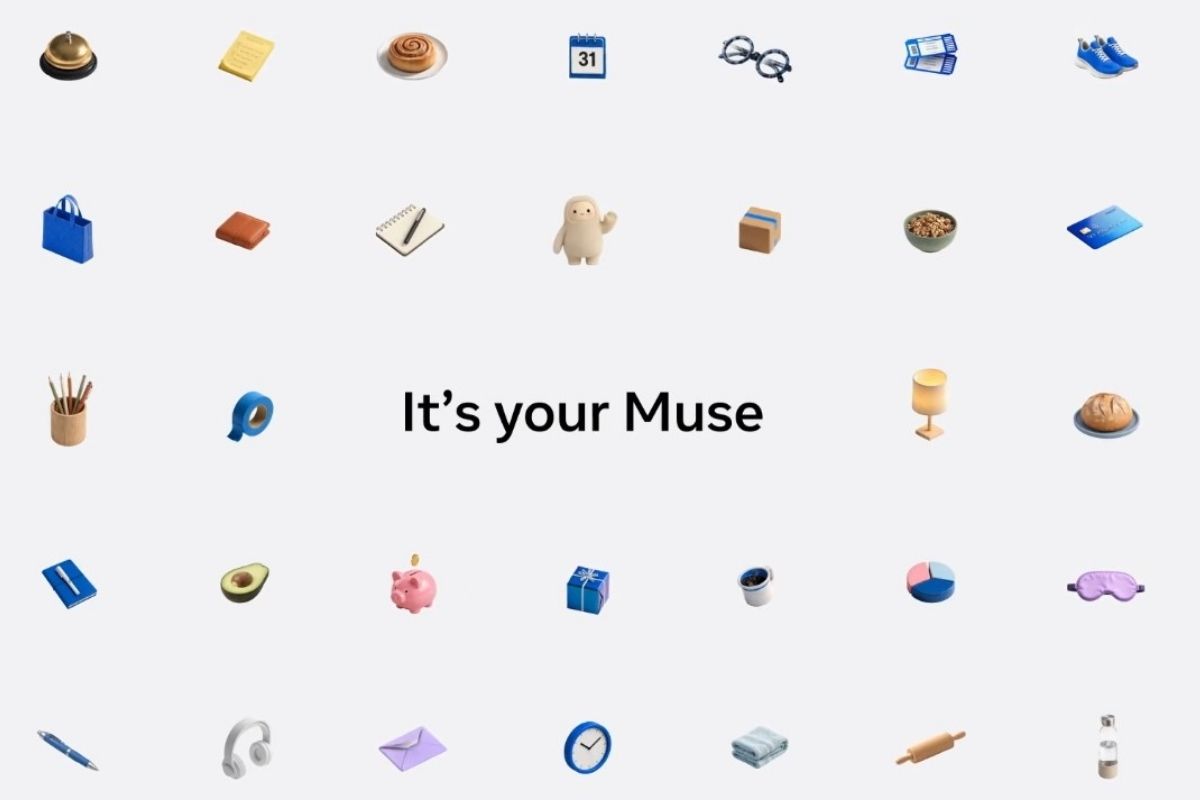
AI glasses face their first major government crackdown
In a world first, Norway's national government has called for a temporary ban while they decide the guardrails and laws that should surround smart glasses. The country insists they don't want a total ban as they can see specific, useful applications for the technology, but they say they want to ensure the privacy of citizens while debating exactly when the technology should be allowed and when it shouldn't.
 Financial Times
Kagi Ends Orion Browser Development for Linux, Will Open-Source It
Kagi is best known for their search engine, but they also develop a browser called Orion. Based on Webkit, it's already available for Mac and iOS but just recently went into beta for Windows and Linux. Now, citing a lack of manpower and resources, Kagi has decided not to continue the Windows and Linux versions, but instead of simply shutting them down, they will open source it and let the community take over.
 Bobby Borisov
Hackers obtain counterfeit TLS certificates for Google and other large services
Attackers were able to hijack three top-level domains - .gh, .sl, and .as - which then allowed them to issue TLS certificates for those domains. These included Google and other large organizations. Details are scant on exactly which domains were impacted or which other organizations. Google says they have revoked the fake certificates in Chrome, but it's still unclear how many certificates were issued and if they're all revoked now or not.
 Dan Goodin
Forum Updates
 Anon46442
 ZenByte
 sampyusa